
Can Turtles Eat Strawberries? Fruit Sugar, Nutrition, and Feeding Advice


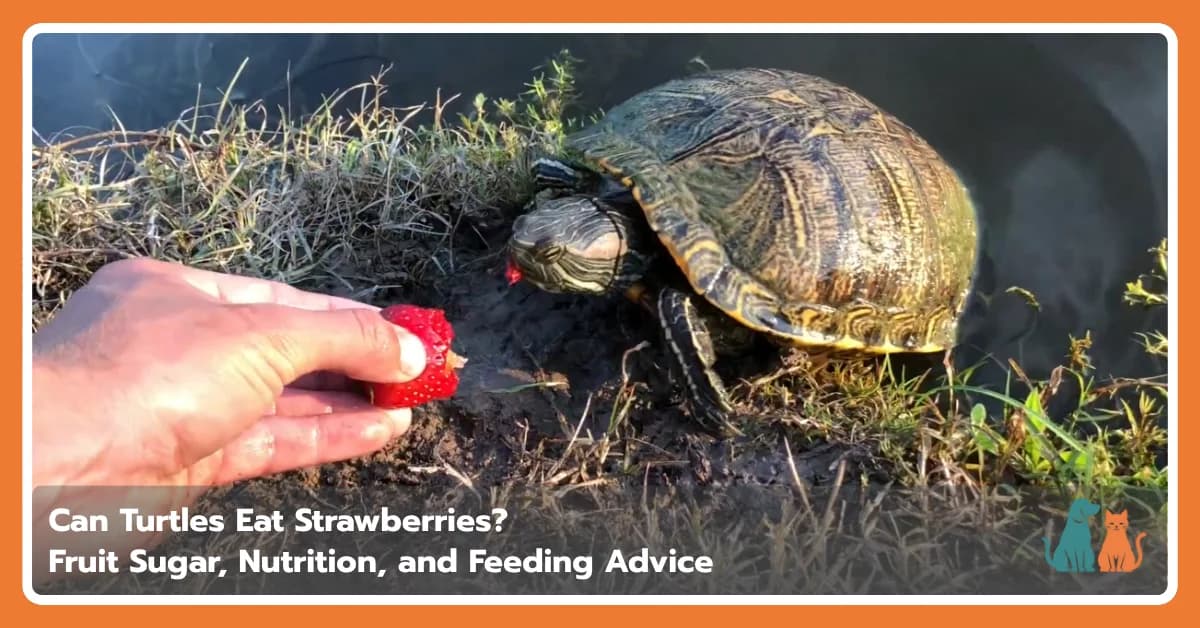
Strawberries are soft, juicy, and packed with natural sweetness, which makes many turtle owners wonder if they are safe to share. While strawberries are not toxic to most pet turtles, fruit should always be handled carefully. Turtles have very different nutritional needs depending on their species, age, and lifestyle, and too much fruit can disrupt dietary balance over time.
Can Turtles Eat Strawberries?
Yes, turtles can eat strawberries, but only in moderation. Fresh strawberries are safe for many omnivorous pet turtles when offered as an occasional treat. They contain water, fiber, and vitamins, but they also carry natural sugars that should not become a major part of the diet.
Strawberries should always be considered a supplemental treat, not a dietary staple.
Nutritional Content of Strawberries for Turtles (per 100g)
| Nutrient | Amount (per 100g) | Notes for Turtles |
|---|---|---|
| Vitamin C | ~59 mg | Supports immune and cellular health |
| Fiber | ~2 g | Supports digestion in moderation |
| Water | ~91% | Helps support hydration |
| Potassium | ~153 mg | Supports normal body function |
| Calcium | ~16 mg | Low compared to turtle calcium needs |
| Natural sugars | ~4.9 g | Excess may contribute to imbalance |
Although strawberries contain beneficial nutrients, they do not provide the calcium levels turtles require for shell and bone health.
Health Effects of Feeding Strawberries to Turtles
When offered occasionally and in appropriate portions, strawberries may provide a few gentle benefits.
- Hydration support
The high water content may help support hydration.
- Dietary enrichment
The texture, color, and sweetness can encourage natural exploratory feeding behavior.
- Antioxidant support
Strawberries contain antioxidants that help support overall cellular health.
- Digestive concerns with overfeeding
Excess fruit intake may contribute to loose stools and nutritional imbalance.
Fruit-heavy diets can also interfere with proper calcium-to-phosphorus balance over time.
How to Feed Your Turtle Strawberries Safely
Safe feeding depends on preparation, portion size, and species-appropriate balance.
Preparing Strawberries Safely for Turtles
- Wash thoroughly to remove pesticide residue
- Remove the leafy tops before serving
- Cut into small bite-sized pieces
- Avoid sweetened, canned, or processed strawberries
Only fresh, plain strawberries should be offered.
Serving Ideas for Strawberries to Turtles
- Small fresh pieces mixed with leafy greens
- Occasional enrichment treat during feeding sessions
- Rotated with vegetables to maintain balance
Fruit should never replace staple foods or vegetables.
How Much Strawberry Can Turtles Eat?
Portion control is essential when feeding fruit to turtles.
Recommended Portion Sizes for Turtles
- Small turtles: One or two tiny pieces
- Larger turtles: A few small pieces occasionally
Using a Turtle Calorie Calculator or species-specific feeding plan can help maintain healthy weight and nutrition balance.
How Often Can Turtles Eat Strawberries?
- Occasional treat only: Once or twice per week
- Not suitable as a daily food
Most turtles benefit from diets focused primarily on leafy greens, aquatic vegetation, pellets, and species-appropriate protein sources.
Do Turtles Like Strawberries?
Many turtles enjoy strawberries because of their sweetness and texture. Still, preference should not determine feeding frequency. Turtles may eagerly accept sugary foods even when those foods should remain limited.
Healthy Alternatives and Expert Recommendations
Offering a wide variety of species-appropriate foods supports better long-term health. A structured feeding plan, such as one outlined in a Best Turtle Food Guide, helps maintain nutritional balance.
Safer Fruit and Vegetable Alternatives for Turtles
- Leafy greens: Dandelion greens, romaine lettuce, collard greens
- Vegetables: Squash, bell peppers, zucchini
- Lower-sugar fruits: Blueberries, raspberries in moderation
Leafy greens should remain the foundation for many pet turtle species.
Vet-Recommended Commercial Foods for Turtles
- Complete commercial turtle pellets
- Calcium-fortified aquatic turtle diets
- Species-appropriate reptile feeds
Always choose products designed specifically for turtles.
Expert Tips for Feeding Turtles Responsibly
From a veterinary nutrition perspective, fruit should remain a small part of a turtle’s diet. Nutritional priorities vary by species, with some turtles requiring more plant matter while others need higher protein intake.
Calcium balance is especially important for shell health. Overfeeding sugary fruits can displace more nutritionally appropriate foods over time.
Introduce new foods gradually and monitor appetite, stool quality, shell condition, and activity level. Turtles with obesity or metabolic concerns may require stricter limitations on fruit treats.
Key Takeaways
- Can turtles eat strawberries? Yes, but only in moderation. Strawberries can provide hydration, enrichment, and antioxidants, but their sugar content means they should remain an occasional treat.
- Always wash strawberries thoroughly, remove the tops, cut them into small pieces, and offer them only once or twice per week. When fed thoughtfully, strawberries can be a safe addition to a balanced turtle diet, especially when backed by a structured feeding schedule outlined in our Best Turtle Food Guide.
Frequently Asked Questions
Can turtles eat strawberries every day?
Are strawberries safe for aquatic turtles?
Can baby turtles eat strawberries?
Can turtles eat strawberry leaves?
What should I do if my turtle gets diarrhea after eating strawberries?

Dr. Olivia Chen, DVM
Reptile Nutrition & Husbandry Specialist
Dr. Olivia Chen is a veterinarian with specialized experience in reptile and aquatic pet care, with a focus on turtles.