
Can Rabbits Eat Cucumber? Hydration Benefits, Portions, and Diet Balance


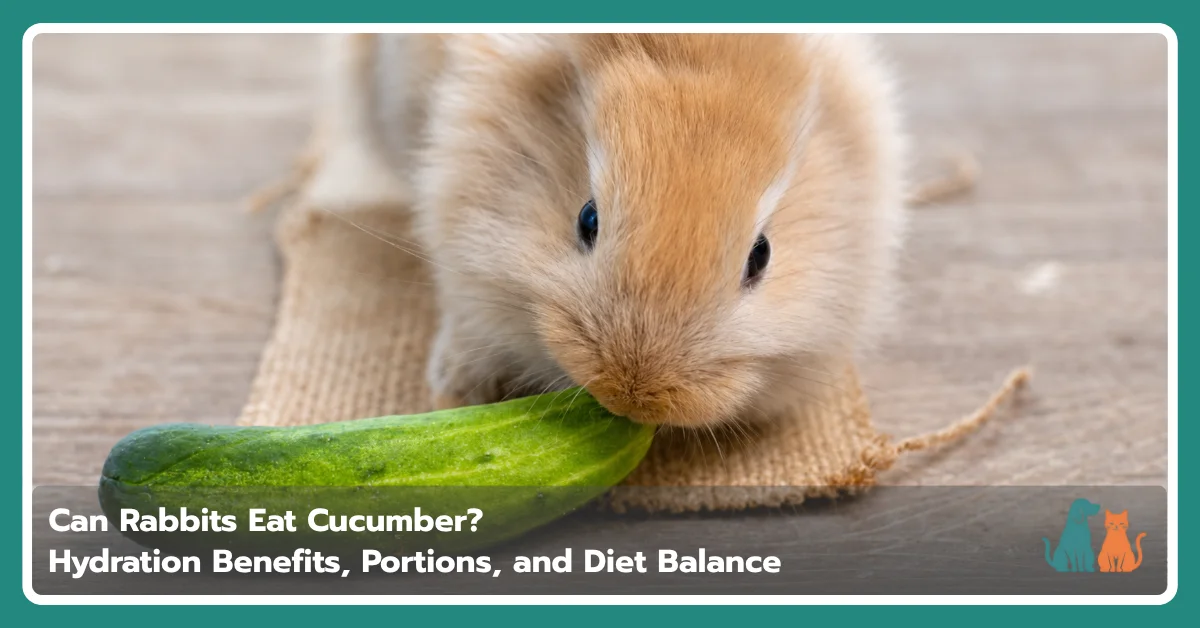
Cucumber is a refreshing vegetable that many rabbit owners consider offering during warm weather. Its high water content and mild flavor make it appealing to many rabbits, but not every healthy-looking food should be fed without limits. Understanding how cucumber fits into a rabbit's diet helps ensure your rabbit receives proper nutrition while enjoying safe variety.
Can Rabbits Eat Cucumber?
Yes, rabbits can eat cucumber in moderation. Fresh cucumber is non-toxic and can be a safe addition to a rabbit's diet when offered alongside unlimited hay and other rabbit-safe vegetables.
Because cucumber contains mostly water and relatively few nutrients compared to leafy greens, it should be treated as a supplemental vegetable rather than a dietary staple.
Nutritional Content of Cucumber for Rabbits (per 100g)
| Nutrient | Amount (per 100g) | Notes for Rabbits |
|---|---|---|
| Water | ~95% | Supports hydration |
| Fiber | ~0.5 g | Lower fiber than many vegetables |
| Vitamin K | ~16 mcg | Supports normal body functions |
| Potassium | ~147 mg | Supports muscle and nerve function |
| Vitamin C | ~2.8 mg | Present in small amounts |
| Calories | ~15 kcal | Low-calorie vegetable |
While cucumber is low in calories, it is also much lower in fiber than the foods that should make up the majority of a rabbit's diet.
Health Effects of Feeding Cucumber to Rabbits
When offered appropriately, cucumber may provide several benefits.
- Hydration support
The high water content can help rabbits stay hydrated, particularly during warmer months.
- Low-calorie treat option
Cucumber provides variety without contributing many calories.
- Dietary enrichment
Different textures and flavors help encourage natural foraging behavior.
- Digestive upset if overfed
Too much cucumber may contribute to soft stools because of its high moisture content.
Cucumber works best as part of a balanced vegetable rotation.
How to Feed Your Rabbit Cucumber Safely
Proper preparation helps reduce risks and improves acceptance.
Preparing Cucumber Safely for Rabbits
- Wash thoroughly to remove dirt and pesticide residue
- Serve fresh and raw
- Cut into small bite-sized pieces
- Remove spoiled portions immediately
- Avoid pickled or seasoned cucumber products
Fresh cucumber is always the safest option.
Serving Ideas for Cucumber to Rabbits
- Small cucumber slices mixed with leafy greens
- Chopped cucumber pieces in a daily vegetable salad
- Occasional summer treat for extra hydration
Introducing new foods gradually helps reduce digestive problems.
How Much Cucumber Can Rabbits Eat?
Portion control remains important, even with low-calorie vegetables.
Recommended Portion Sizes for Rabbits
- Adult rabbits: A few thin cucumber slices as part of a mixed vegetable serving
- Smaller rabbits: Slightly smaller portions
A Rabbit Nutrition Calculator can help owners evaluate overall food intake and maintain a healthy body condition.
How Often Can Rabbits Eat Cucumber?
- Several times per week
- Can be included in vegetable rotations
- Should not replace leafy greens or hay
Hay should always remain the primary component of a rabbit's diet.
Do Rabbits Like Cucumber?
Many rabbits enjoy cucumber because of its crisp texture and refreshing taste. However, some rabbits prefer leafy greens and may show less interest. Individual preferences vary.
Healthy Alternatives and Expert Recommendations
A varied vegetable selection provides better nutritional diversity. Following our Best Rabbit Food Guide can help owners create a balanced feeding plan that prioritizes fiber and long-term digestive health.
Safer Vegetables and Treat Alternatives for Rabbits
- Leafy greens: Romaine lettuce, cilantro, parsley, bok choy
- Vegetables: Bell peppers, celery, zucchini
- Occasional treats: Small amounts of rabbit-safe fruits
Leafy greens generally provide more nutritional value than cucumber.
Vet-Recommended Commercial Foods for Rabbits
- Timothy hay-based diets
- High-quality rabbit pellets
- Species-specific rabbit foods
Unlimited grass hay should remain available at all times.
Expert Tips for Feeding Rabbits Vegetables Responsibly
From a veterinary nutrition perspective, hay is the most important food in a rabbit's diet. It supports dental health, digestive function, and normal gut movement.
Fresh vegetables should complement, not replace, hay consumption. Introduce new vegetables one at a time and monitor stool quality, appetite, and behavior for any signs of digestive upset.
Rabbits with a history of gastrointestinal sensitivity may require more cautious introductions to moisture-rich vegetables like cucumber.
Key Takeaways
- Rabbits can safely eat cucumber in moderation, which acts as a great low-calorie source of hydration.
- Due to its high water content, cucumber should only be offered in moderate portions as a supplement rather than a staple.
- Unlimited fresh grass hay must always remain the main pillar of your rabbit's digestive wellness.
- For complete feeding outlines and species safety tips, explore our veterinary-backed Best Rabbit Food Guide.
Frequently Asked Questions
Can rabbits eat cucumber every day?
Can rabbits eat cucumber skin?
Can rabbits eat cucumber seeds?
Is cucumber good for rabbits?
Can baby rabbits eat cucumber?

Dr. Emily Navarro, DVM
Small Mammal Nutrition Specialist
Dr. Emily Navarro is a veterinarian with advanced experience in rabbit and small mammal care, with a strong focus on digestive health and nutrition.