
Can Hamsters Eat Watermelon? Safe Portions & Feeding Tips


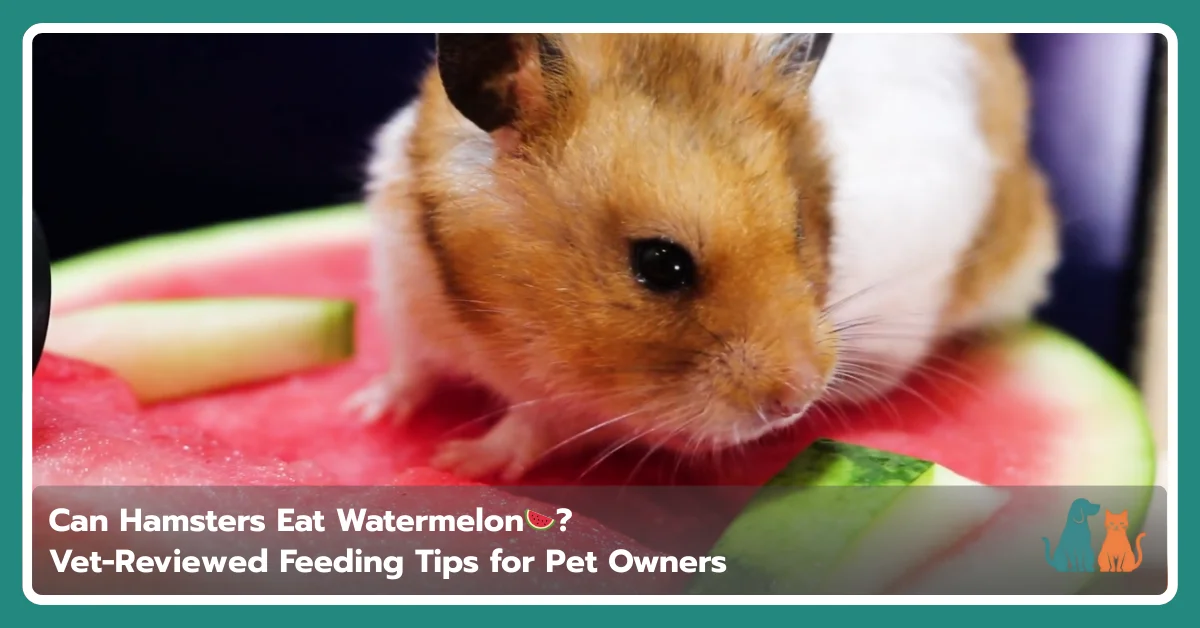
It usually starts with a slice of fruit and a curious little face watching from the cage. Watermelon feels light, refreshing, and harmless, especially on a warm day. Many pet owners wonder if sharing a bite makes sense or if it could cause problems. Because hamsters are so small and sensitive to dietary changes, even watery fruits deserve a closer look before offering them.
Can Hamsters Eat Watermelon?
Yes, hamsters can eat watermelon, but only in moderation and in very small portions. Fresh watermelon flesh is not toxic to hamsters and can offer hydration, but it contains natural sugars and a very high water content. If fed too often or in large amounts, watermelon can quickly lead to digestive upset, soft stools, or unnecessary weight gain. Watermelon should always be treated as an occasional snack, not a routine food.
Nutritional Content of Watermelon for Hamsters (per 100g)
| Nutrient | Amount (per 100g) | Notes for Hamsters |
|---|---|---|
| Water | 91% | Supports hydration but may loosen stools |
| Vitamin C | 8 mg | Provides mild antioxidant support |
| Fiber | 0.4 g | Very low, offers little digestive structure |
| Potassium | 112 mg | Supports normal muscle and nerve function |
| Natural sugars | 6 g | Can cause digestive upset if overfed |
| Calories | 30 kcal | Easy to overconsume in small animals |
Because watermelon is mostly water and sugar with very little fiber, portion size matters more than with many other fruits.
Health Benefits of Feeding Watermelon to Hamsters
When offered occasionally and in tiny portions, watermelon may provide a few gentle benefits for healthy hamsters. These benefits depend entirely on moderation and overall diet balance.
- Hydration support: Watermelon’s high water content can help support hydration, especially during warmer weather. Too much moisture, however, may soften stools.
- Light antioxidant contribution: Small amounts of Vitamin C and plant compounds help support normal cellular health, though hamsters do not rely on fruit as a primary antioxidant source.
- Low fat content: Watermelon contains virtually no fat, making it less likely to contribute to fat overload compared to some seeds or processed treats.
- Dietary variety: Offering watermelon occasionally introduces new textures and flavours, supporting curiosity and enrichment without relying on the same treats repeatedly.
- Gentler than some fruits: Watermelon is less acidic than citrus fruits, which makes it easier on the digestive tract when fed carefully.
How to Feed Your Hamster Watermelon
Feeding watermelon safely comes down to careful preparation and restraint. A little goes a very long way for such a small pet.
Preparing Watermelon Safely for Hamsters
- Remove the rind completely: The rind is tough, fibrous, and difficult for hamsters to digest.
- Remove all seeds: Seeds can pose a choking risk and are not appropriate for hamsters.
- Use fresh watermelon only: Avoid dried, candied, or flavoured watermelon products.
- Cut into very small pieces: Tiny cubes reduce choking risk and limit excess intake.
Serving Ideas for Watermelon to Hamsters
- Fresh pieces: Offer a very small cube in a clean dish.
- Occasional enrichment: Place a small piece in a foraging toy to encourage exploration.
- Warm-weather treat: Serve sparingly on hot days to support hydration.
How Much Watermelon Can Hamsters Eat?
Even foods that seem light and healthy can cause problems if portions are too large. With watermelon, restraint is especially important due to its water and sugar content.
Recommended Portion Sizes for Hamsters
- Dwarf hamsters: No more than a grain-of-rice-sized piece.
- Syrian hamsters: Up to a small pea-sized piece.
Always start smaller than you think is necessary. Hamsters have very low calorie needs, and excess fruit adds up quickly.
How Often Can Hamsters Eat Watermelon?
- Occasional treat only: Once per week is plenty.
- Not a daily food: Frequent feeding increases the risk of diarrhea and weight gain.
- Watch stool consistency: Soft stools are a sign to reduce or stop fruit feeding.
Do Hamsters Like Watermelon?
Many hamsters enjoy watermelon because of its sweetness and juicy texture. Interest is common, but preference should never guide feeding decisions. Hamsters naturally gravitate toward sugary foods, and repeated exposure can encourage overeating. Treats should always be guided by health and portion control, not enthusiasm.
Healthy Alternatives and Expert Recommendations
Offering variety helps meet enrichment needs without relying heavily on sugary fruit. A balanced approach supports both physical health and mental stimulation, especially when guided by a well-structured Hamster Food Guide that prioritises complete nutrition first and treats second.
Low-sugar vegetables, measured portions of safe fruits, and species-appropriate hamster food work together to support digestive health, weight stability, and long-term wellbeing without unnecessary nutritional risk.
Safe Fruit and Vegetable Alternatives for Hamsters
Fruits should remain occasional, but these options are generally well tolerated when fed properly:
- Fruits: Apples (seedless), blueberries, strawberries, raspberries
- Vegetables: Carrots, cucumber, zucchini, bell peppers
Rotating small amounts of different foods helps prevent overreliance on any single item.
Vet-Recommended Commercial Treats for Hamsters
Commercial treats can offer structure and consistency when chosen carefully:
- Plain dried carrot or apple pieces with no added sugar
- Timothy hay-based chew treats
- Simple ingredient mixes designed specifically for hamsters
Always check labels and avoid products with syrups, honey, or artificial flavouring.
Expert Tips for Feeding Hamsters Treats Responsibly
From a veterinary nutrition perspective, treats should make up no more than five percent of a hamster’s total diet. The foundation should always consist of a complete, species-appropriate pellet or block feed, with fresh water available at all times.
Portion control is the most important part of feeding watermelon safely. Even healthy foods can cause problems if portions are too large, which is why tools like a Hamster Calorie Calculator can help pet owners better understand daily energy needs.
Introduce any new food slowly and observe your hamster over the next 24 hours to ensure it tolerates it well. Loose stools, reduced appetite, or lethargy are signs that the food may not be appropriate.
Hamsters with obesity, diabetes risk, or digestive sensitivity may need stricter limits or complete avoidance of fruit. Individual health always comes first, and guidance from a veterinarian is especially valuable for pets with medical concerns.
Key Takeaways
- So, can hamsters eat watermelon? Yes, but only in moderation. Watermelon can offer hydration, enrichment, and mild antioxidant support, but its high water and sugar content make careful portion control essential.
- Always remove the rind and seeds, cut the flesh into very small pieces, and offer watermelon no more than once per week. When fed thoughtfully, watermelon can remain a safe, enjoyable occasional treat without disrupting nutritional balance.
- If you are unsure whether watermelon or other fruits fit your hamster’s individual needs, a veterinarian can help guide safe feeding choices. A careful, informed approach keeps treats enjoyable while protecting long-term health.
Frequently Asked Questions
Can hamsters eat watermelon every day?
Is watermelon safe for dwarf hamsters?
Can hamsters eat watermelon seeds or rind?
Do hamsters like watermelon?
Is watermelon better than other fruits for hamsters?

Dr. Lisa Bennett, DVM
Companion Small Mammal Nutrition Specialist
Dr. Lisa Bennett is a veterinarian with focused experience in small pet nutrition, including hamsters, gerbils, and hedgehogs.