
Can Hamsters Eat Strawberries? Safety, Portions & Vet Advice


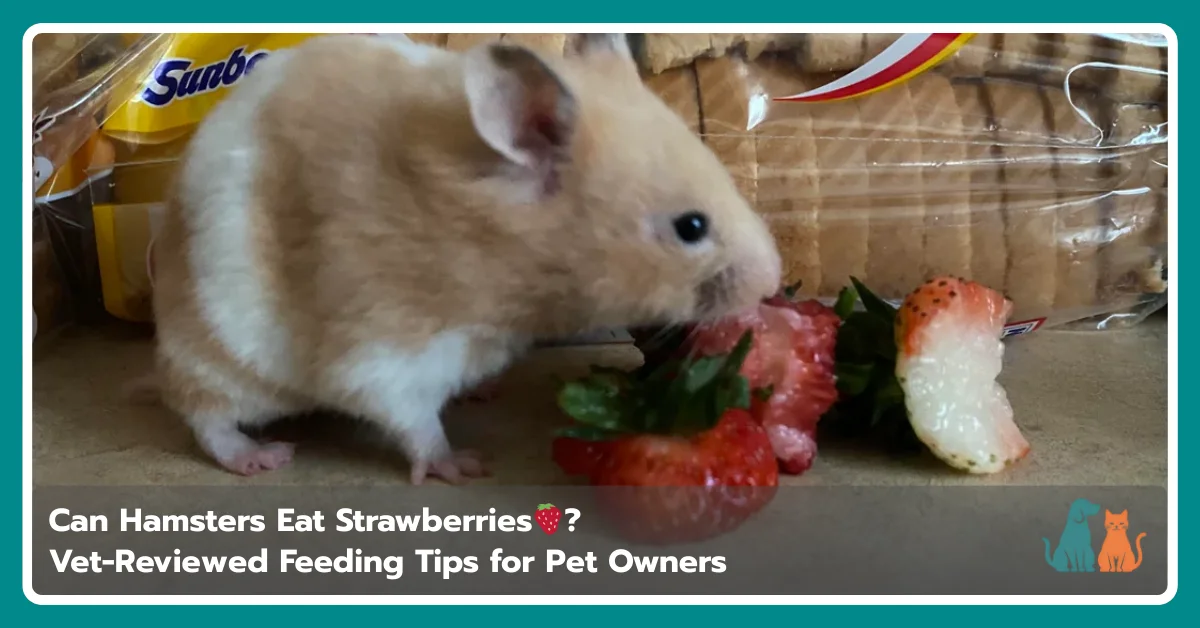
Sharing food with a hamster often starts with a simple question. You are slicing fruit for yourself, your hamster looks curious, and strawberries seem harmless enough. They are fresh, sweet, and commonly viewed as healthy. Still, small pets have very different nutritional needs, and what works for humans does not always work for them. Understanding whether strawberries are safe, how much is appropriate, and when to avoid them helps protect your hamster’s long-term health.
Can Hamsters Eat Strawberries?
It is a common moment for many pet owners. You are preparing fruit, your hamster is nearby, and a strawberry feels like a harmless treat. Strawberries are fresh, sweet, and widely viewed as healthy, but hamsters are not tiny humans. Their digestive systems, calorie needs, and sugar tolerance are very different. Knowing whether strawberries are safe, how much is appropriate, and when to avoid them helps protect your hamster’s long-term health.
Can Hamsters Eat Strawberries Safely?
Yes, hamsters can eat strawberries, but only in moderation. Fresh strawberries are safe for most healthy hamsters when offered in very small portions and prepared correctly. They provide hydration and small amounts of beneficial nutrients, but they also contain natural sugars that can quickly cause digestive upset or weight gain if overfed.
Whether you are asking can hamster eat strawberry, can hamsters eat strawberries, or do hamsters eat strawberries at all, the answer depends on portion size, feeding frequency, and your hamster’s individual health. Hamsters have very low daily calorie needs, which means even small treats add up quickly. Using a Hamster Calorie Calculator can help pet owners understand how fruits fit into the bigger picture and why strawberries should remain an occasional treat, not a routine food.
Nutritional Content of Strawberries and What It Means for Hamsters
Strawberries contain several nutrients, but their sugar and water content matter most for small pets.
| Nutrient | Amount (per 100g) | Notes for Hamsters |
|---|---|---|
| Vitamin C | 59 mg | Supports immune health in small amounts |
| Fiber | 2 g | Helps digestion when portions stay small |
| Manganese | 0.4 mg | Supports normal metabolism |
| Folate | 24 mcg | Important for cell function |
| Water | 91% | Adds hydration but may soften stools |
| Natural sugars | 4.9 g | Can cause diarrhea or weight gain if overfed |
Because hamsters have very low daily calorie needs, even a tiny piece of strawberry delivers a meaningful sugar load.
Health Benefits of Feeding Strawberries to Hamsters
When offered sparingly, strawberries may provide mild benefits. These benefits only apply when portions remain very small and infrequent.
- Supports immune health: Strawberries contain Vitamin C and antioxidants that help protect cells from everyday stress. Hamsters produce their own Vitamin C, but small dietary sources can still offer support.
- Supports normal digestion: The fiber in strawberries may help maintain gut movement when fed in tiny amounts. Larger servings can overwhelm the digestive tract.
- Provides antioxidant protection: Naturally occurring plant compounds help reduce oxidative stress, supporting long-term cellular health when fruit is fed responsibly.
- Adds hydration: Strawberries are mostly water, which can help support hydration, especially in warm environments. Excess moisture may soften stools.
- Encourages enrichment and variety: Offering strawberries occasionally introduces new textures and flavors, supporting natural foraging behavior and mental stimulation.
How to Feed Your Hamster Strawberries
Proper preparation makes a significant difference in safety and tolerance.
Preparing Strawberries Safely for Hamsters
- Wash thoroughly under running water to remove dirt and pesticide residue
- Remove stems and leaves, which are difficult to digest
- Cut into very small pieces to reduce choking risk
- Feed only fresh, raw strawberries
- Avoid dried, sweetened, frozen-with-syrup, or processed forms
Many owners ask can hamsters eat strawberry tops. While strawberry leaves are not toxic, they are fibrous and harder to chew, so removal is recommended.
Serving Ideas for Strawberries to Hamsters
- Offer a tiny fresh piece by hand or in a shallow dish
- Use a thawed frozen piece as a rare warm-weather treat
- Hide a small piece in bedding or foraging toys for enrichment
Always remove uneaten fruit within a few hours.
How Much Strawberry Can Hamsters Eat?
Even nutritious foods can cause problems if portions are too large. With hamsters, smaller is always safer.
Recommended Portion Sizes for Hamsters
- Dwarf hamsters: No more than half of a pea-sized piece per serving
- Syrian hamsters: Up to one pea-sized piece per serving
Hamsters are tiny animals with very small calorie needs. Smaller portions are always safer.
How Often Can Hamsters Eat Strawberries?
Strawberries should remain an occasional treat.
- Offer once or twice per week at most
- Never feed daily
- Monitor stool consistency and appetite after feeding
Overfeeding fruit increases the risk of diarrhea, obesity, and blood sugar imbalance, especially in dwarf species.
Do Hamsters Like Strawberries?
Most hamsters do like strawberries. The sweet flavour and juicy texture often make them appealing, and many hamsters show clear excitement when offered a small piece.
That preference does not mean strawberries are good to feed on often. Hamsters naturally gravitate toward sweet foods, but excess sugar can quickly lead to digestive problems and unhealthy weight gain. Health should always guide treat choices.
Healthy Alternatives and Expert Recommendations
Variety can be offered without relying heavily on fruit. A balanced hamster diet should always start with a complete, species-appropriate staple food, supported by carefully chosen treats. Our Hamster Food Guide walks through safe fruits, vegetables, and core diet components so treats like strawberries stay occasional rather than habitual. When variety is planned thoughtfully, it supports enrichment without tipping the balance toward excess sugar or calories.
Safe Fruit and Vegetable Alternatives for Hamsters
Fruits should remain limited, but these options are generally better tolerated in small amounts:
- Fruits: apples without seeds, blueberries, raspberries, pears without seeds
- Vegetables: carrots, cucumber, bell peppers, zucchini
- Vegetables are often a better daily choice than fruit due to lower sugar content.
Vet Recommended Commercial Treats for Hamsters
Choose simple, reputable options designed for hamsters:
- Unsweetened dried apple or carrot pieces
- Timothy hay-based small animal treats
- Plain commercial mixes with limited fruit content
Avoid sticky treats, honey-coated snacks, and brightly colored products.
Feeding Guidance From a Veterinary Nutrition Perspective
Treats should make up no more than five percent of a hamster’s total diet. The foundation should always be a complete, species-appropriate pellet or block feed with fresh water available daily.
New foods should be introduced slowly. Digestive upset often appears within 24 hours. Hamsters with obesity, diabetes risk, or other health conditions may need stricter limits or complete avoidance of fruit. Individual health always comes first.
Key Takeaways
- Can hamsters eat strawberries? Yes, but only in moderation. Strawberries can offer hydration, antioxidants, and enrichment, but their natural sugar content means careful portion control is essential.
- Always wash strawberries thoroughly, remove the tops, cut them into very small pieces, and offer no more than once or twice per week. These simple steps reduce pesticide exposure, choking risk, and digestive upset. When feeding decisions are guided by evidence-based pet nutrition education, like the resources shared at Pet Nutrition University, strawberries can remain a safe and enjoyable occasional treat without disrupting overall nutritional balance.
Frequently Asked Questions
Can hamsters eat strawberries every day?
Are strawberries good for hamsters?
Can dwarf hamsters eat strawberries?
Can hamsters eat strawberry tops or leaves?
Do hamsters eat strawberries in the wild?

Dr. Lisa Bennett, DVM
Companion Small Mammal Nutrition Specialist
Dr. Lisa Bennett is a veterinarian with focused experience in small pet nutrition, including hamsters, gerbils, and hedgehogs.