
Can Hamsters Eat Kale? Safe Portions, Benefits, and Feeding Guide


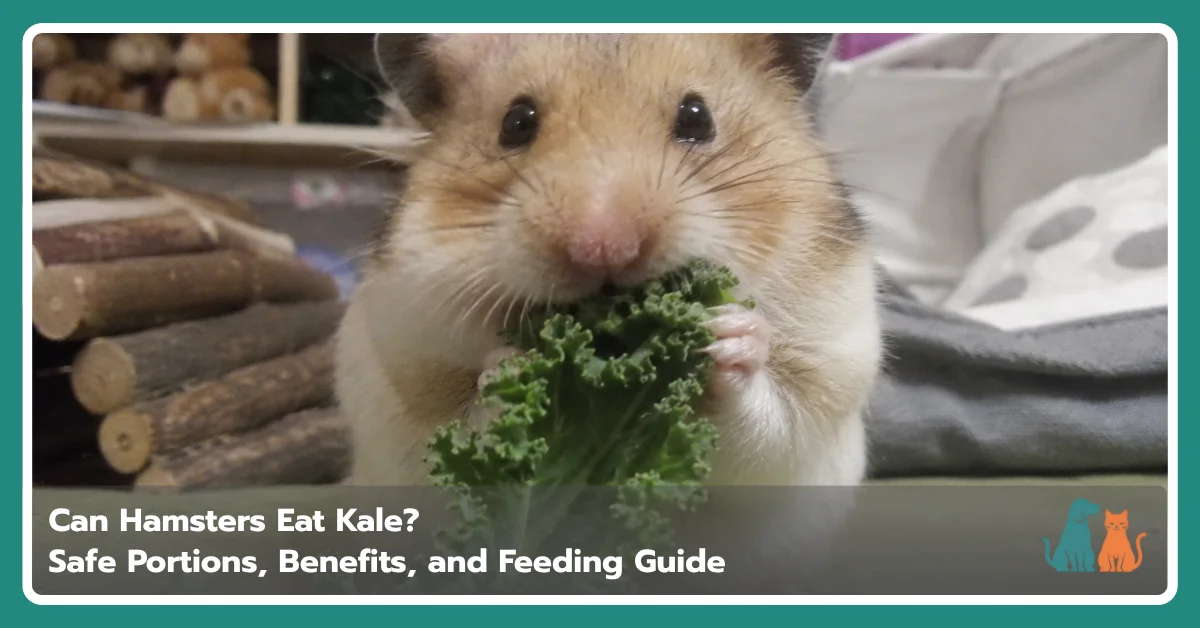
Yes, hamsters can eat kale in small, controlled portions. Kale is a leafy green that offers fiber and important micronutrients, but it should only be given occasionally. It must always support a complete pellet-based diet rather than replace it. When prepared properly and fed in moderation, kale can be part of a balanced vegetable rotation.
Can Hamsters Eat Kale?
Many owners ask, can hamsters eat kale safely, and the answer is yes in moderation. Fresh kale can be offered once weekly in very small amounts.
If you are wondering can hamsters have kale regularly, it should not be fed daily. Rotating safe vegetables for hamsters helps maintain digestive balance and prevents dietary excess.
Nutritional Value of Kale for Hamsters (per 100g)
Kale is nutrient-dense, so portion size is especially important.
| Nutrient | Approximate Amount (per 100g) | What It Means for Hamsters |
|---|---|---|
| Water | ~89% | Supports hydration |
| Fiber | ~4 g | Digestive support |
| Vitamin A | High | Supports vision and skin health |
| Vitamin C | High | Immune support |
| Vitamin K | High | Supports normal blood function |
| Calcium | High | Bone health (needs balance) |
Because kale is more concentrated than lighter vegetables, it should always be fed in small quantities.
Are Kale Good or Risky for Hamsters?
Kale offers strong nutritional value but requires careful portion control.
Benefits include:
- High vitamin content
- Fiber for digestion
- Nutritional variety
Potential risks include digestive upset or imbalance if fed too frequently. Moderation is essential.
Health Effects of Feeding Kale to Hamsters
When served appropriately, kale may:
- Support immune health
- Provide essential micronutrients
- Encourage chewing enrichment
- Contribute to dietary variety
Overfeeding may lead to loose stools or imbalance, so portions must remain small.
Can Hamsters Eat Raw Kale?
Yes, hamsters can eat raw kale.
Fresh, raw kale is the safest option when washed thoroughly and served plain. Cooked kale is not recommended because it becomes soft and may spoil quickly.
Can Hamsters Eat Kale Stems?
Kale leaves are the preferred part for feeding.
Stems can be tougher and should either be removed or cut into extremely small pieces to prevent choking.
How Much Kale Can a Hamster Eat?
Owners often ask how much kale can a hamster eat safely. Because kale is nutrient-dense, portions must be very limited.
To better understand daily calorie needs for hamsters and how vegetables fit into their diet, use the Hamster Calorie Calculator.
Recommended Portion Size
- Syrian hamsters: A small torn leaf piece once weekly
- Dwarf hamsters: A very small leaf portion once weekly
- Roborovski hamsters: A tiny piece occasionally
Introduce slowly and monitor stool consistency.
For a complete feeding structure, refer to the Best Hamster Food Guide to understand how leafy greens fit into a balanced plan.
Can Hamsters Eat Kale Every Day?
No, kale should not be fed daily.
Vegetables hamsters can eat should rotate throughout the week. Feeding kale too frequently may increase the risk of digestive imbalance.
How to Feed Kale Safely to Your Hamster
Preparation is key for leafy greens.
Preparing Kale Safely for Hamsters
Wash thoroughly under running water.
Remove thick stems.
Tear leaves into very small pieces.
Serve raw and plain.
Discard uneaten portions within a few hours.
Serving Ideas for Kale to Hamsters
- Place a small torn leaf in the feeding dish
- Offer a tiny piece during bonding time
- Mix a small piece with other fresh vegetables for hamsters
Kale should always be treated as an occasional addition.
Signs Your Hamster Ate Too Much Kale
Watch for:
- Loose stools
- Reduced appetite
- Mild lethargy
- Digestive discomfort
If symptoms persist, consult a veterinarian.
Are Kale One of the Best Vegetables for Hamsters?
Kale can be included among safe vegetables for hamsters, but due to its nutrient density, it is best offered less frequently than lighter vegetables.
| Vegetable | Feeding Frequency | Overall Suitability |
|---|---|---|
| Kale | 1 time weekly | Good (in moderation) |
| Zucchini | 1-2 times weekly | Excellent |
| Cucumber | 2-3 times weekly | Excellent |
| Bell Peppers | 1-2 times weekly | Excellent |
| Romaine Lettuce | 2 times weekly | Very Good |
A balanced feeding plan should prioritize a complete pellet diet and use leafy greens carefully.
Healthy Alternatives and Expert Recommendations
Rotating vegetables supports digestive balance and prevents overexposure to any one nutrient source.
Best Kale Alternatives for Hamsters
- Romaine lettuce
- Zucchini
- Cucumber
- Bell peppers
- Broccoli
These fresh vegetables for hamsters are generally easier to portion and rotate.
Vet-Recommended Commercial Treats for Hamsters
Choose simple, species-specific treats that complement pellet nutrition. Avoid heavily processed snack mixes or colorful seed sticks.
Following a structured feeding plan helps maintain ideal body condition and long-term health.
Key Takeaways
- So, can hamsters eat kale? Yes, in very small portions once weekly.
- Kale is nutrient-dense and should be treated as an occasional leafy addition. Serve raw, plain, and properly portioned, and rotate with other safe vegetables for hamsters.
Frequently Asked Questions
Can hamsters eat kale safely?
Can hamsters have kale every day?
How much kale can a hamster eat?
Can dwarf hamsters eat kale?
Are kale good for hamsters?
Are kale safe for hamsters of all breeds?
Can hamsters eat raw kale?
Can hamsters eat kale stems?
Can baby hamsters eat kale?

Dr. Lisa Bennett, DVM
Companion Small Mammal Nutrition Specialist
Dr. Lisa Bennett is a veterinarian with focused experience in small pet nutrition, including hamsters, gerbils, and hedgehogs.