
Can Hamsters Eat Cantaloupe? Safe Portions, Sugar, Feeding Tips


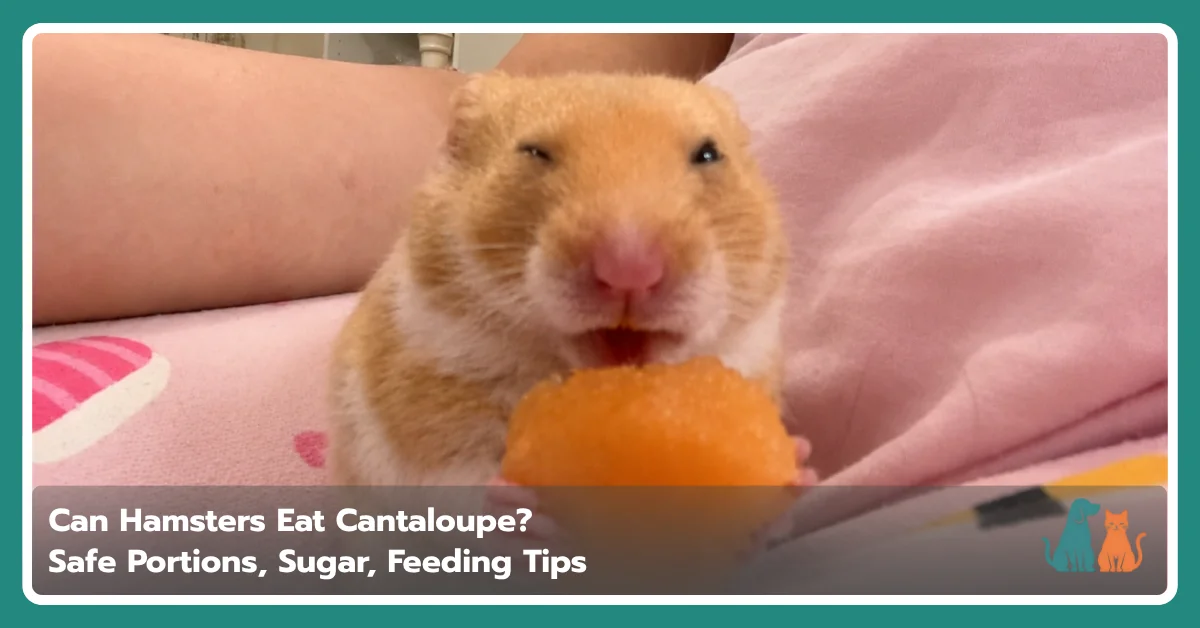
Cantaloupe is a soft, juicy melon that many people enjoy, and it often seems like a gentle option to share with small pets. While it is not toxic to hamsters, its high water and natural sugar content mean it needs to be handled with care. Understanding how to prepare cantaloupe and how much to offer helps keep your hamster's digestion and weight on track.
Can Hamsters Eat Cantaloupe?
Yes, hamsters can eat cantaloupe, but only in very small amounts and only occasionally. Fresh cantaloupe flesh is safe for most healthy hamsters when the rind and seeds are removed. Its sweetness and moisture, however, can quickly cause digestive upset if overfed.
Cantaloupe should always be treated as an occasional treat, not a regular part of the diet.
Nutritional Content of Cantaloupe for Hamsters (per 100g)
| Nutrient | Amount (per 100g) | Notes for Hamsters |
|---|---|---|
| Vitamin A (beta-carotene) | ~169 mcg | Supports vision and immune health |
| Vitamin C | ~36 mg | Supports cellular health in small amounts |
| Fiber | ~0.9 g | Mild digestive support |
| Potassium | ~267 mg | Supports normal cellular function |
| Water | ~90% | Highly hydrating but may soften stools |
| Natural sugars | ~8 g | Can lead to weight gain or diarrhea if overfed |
Because hamsters are tiny animals, even a small bite of cantaloupe delivers a meaningful sugar load.
Health Effects of Feeding Cantaloupe to Hamsters
When offered occasionally and in tiny portions, cantaloupe may provide a few gentle benefits. These effects depend entirely on moderation.
- Hydration support
High water content may help support hydration, especially in warm conditions.
- Vitamin contribution
Small amounts of vitamins A and C support general cellular health.
- Digestive sensitivity risk
Excess moisture and sugar can quickly lead to loose stools.
- Enrichment and variety
The soft texture and mild sweetness encourage curiosity and foraging behavior.
Overfeeding cantaloupe can lead to diarrhea and excess calorie intake.
How to Feed Your Hamster Cantaloupe Safely
Safe feeding depends on proper preparation and portion control.
Preparing Cantaloupe Safely for Hamsters
- Wash the outer rind before cutting
- Remove seeds completely before serving
- Remove the rind, as it is tough and not suitable
- Cut into very small pieces to reduce choking risk
- Avoid pre-packaged or sweetened melon, which may contain additives
Only fresh, plain cantaloupe flesh should be offered.
Serving Ideas for Cantaloupe to Hamsters
- Tiny fresh cubes placed in a dish
- Hand-fed treat for bonding
- Occasional enrichment by hiding a small piece in bedding
Remove uneaten fruit quickly to prevent spoilage.
How Much Cantaloupe Can Hamsters Eat?
Portion size is the most important factor when feeding fruit.
Recommended Portion Sizes for Hamsters
- Dwarf hamsters: A piece no larger than a quarter of a pea
- Syrian hamsters: Up to half a pea-sized piece
Using a Hamster Calorie Calculator can help keep portions aligned with daily intake.
How Often Can Hamsters Eat Cantaloupe?
- Occasional treat only: Once per week
- Not suitable for frequent feeding
Fruit should never replace a balanced, species-appropriate diet.
Do Hamsters Like Cantaloupe?
Many hamsters enjoy the soft texture and sweetness of cantaloupe. That preference should not guide feeding habits. Hamsters naturally favor sweet foods, which can lead to overfeeding if limits are not maintained.
Healthy Alternatives and Expert Recommendations
Offering variety without relying heavily on sugary fruit supports better long-term health. A structured approach, like the one outlined in a Hamster Food Guide, helps maintain proper nutritional balance.
Safer Fruit and Vegetable Alternatives for Hamsters
- Lower-sugar fruits: Blueberries, raspberries, apples (seedless)
- Vegetables: Cucumber, zucchini, broccoli, bell peppers
These options are generally easier on the digestive system.
Vet-Recommended Commercial Treats for Hamsters
- Plain dried vegetables with no added sugar
- Timothy hay-based treats
- Limited-ingredient hamster snacks
Always check labels carefully.
Expert Tips for Feeding Hamster Treats Responsibly
From a veterinary nutrition perspective, treats should make up no more than five percent of a hamster's total daily intake. A complete pellet or fortified block should remain the foundation of the diet.
Introduce new foods slowly and monitor stool quality, appetite, and behavior. Digestive upset often appears quickly when portions are too large.
Hamsters with obesity risk or diabetes, especially dwarf species, may require stricter limits or complete avoidance of sugary fruits. Veterinary guidance is recommended when needed.
Key Takeaways
- Can hamsters eat cantaloupe? Yes, but only in moderation. Cantaloupe provides hydration and small amounts of beneficial nutrients, but its natural sugar and water content require careful portion control.
- Always remove seeds and rind, cut into very small pieces, and offer no more than once per week. When fed thoughtfully, cantaloupe can be a safe, occasional treat without disrupting nutritional balance.
Frequently Asked Questions
Can hamsters eat cantaloupe every day?
Is cantaloupe safe for dwarf hamsters?
Can hamsters eat cantaloupe seeds?
Can hamsters eat cantaloupe rind?
What should I do if my hamster gets diarrhea after eating cantaloupe?

Dr. Lisa Bennett, DVM
Companion Small Mammal Nutrition Specialist
Dr. Lisa Bennett is a veterinarian with focused experience in small pet nutrition, including hamsters, gerbils, and hedgehogs.