
Can Cockatiels Eat Bananas? Nutrients, Serving Sizes, and Diet Variety


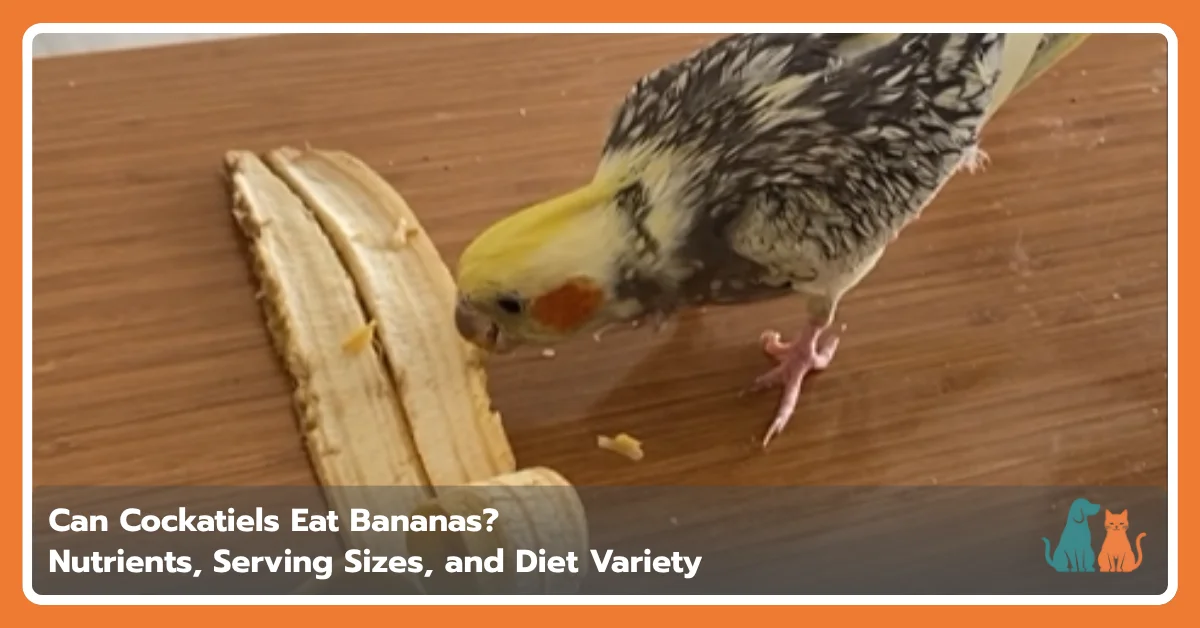
Bananas are one of the most popular fruits offered to pet birds. Their soft texture and natural sweetness make them easy for cockatiels to eat, and many birds enjoy them as an occasional treat. While bananas are safe for cockatiels, they should not become a major part of the diet because they contain natural sugars and provide less nutritional balance than vegetables and formulated bird foods.
Can Cockatiels Eat Bananas?
Yes, cockatiels can eat bananas in moderation. Fresh banana is non-toxic and can be a safe treat for healthy cockatiels when served in appropriate portions. It contains vitamins, minerals, and fiber, but it should complement a balanced diet rather than replace essential foods.
Bananas should always be treated as an occasional treat, not a dietary staple.
Nutritional Content of Bananas for Cockatiels (per 100g)
| Nutrient | Amount (per 100g) | Notes for Cockatiels |
|---|---|---|
| Potassium | ~358 mg | Supports muscle and nerve function |
| Vitamin B6 | ~0.4 mg | Supports metabolism |
| Vitamin C | ~8.7 mg | Supports overall cellular health |
| Fiber | ~2.6 g | Supports digestion in moderation |
| Water | ~75% | Contributes to hydration |
| Natural Sugars | ~12 g | Should be limited in pet birds |
Although bananas provide useful nutrients, they should not replace nutrient-dense vegetables and high-quality cockatiel pellets.
Health Effects of Feeding Bananas to Cockatiels
When offered occasionally and in appropriate portions, bananas may provide several benefits.
- Energy source
Natural carbohydrates provide quick energy for active birds.
- Digestive support
Small amounts of fiber help support normal digestion.
- Dietary enrichment
The soft texture and sweet flavor can add variety to the diet.
- Hydration support
The moisture content contributes to daily water intake.
Overfeeding bananas may contribute to excess calorie intake and reduce interest in healthier foods.
How to Feed Your Cockatiel Bananas Safely
Proper preparation helps ensure bananas remain a safe treat.
Preparing Bananas Safely for Cockatiels
- Use fresh ripe bananas
- Remove the peel before serving
- Cut into small bite-sized pieces
- Avoid dried banana chips or sweetened products
- Discard uneaten portions after a few hours
Only fresh, plain banana should be offered.
Serving Ideas for Bananas to Cockatiels
- Small fresh slices served in a feeding dish
- Mixed with other bird-safe fruits
- Used as an occasional training reward
- Added to foraging toys for enrichment
Variety encourages natural foraging behavior and mental stimulation.
How Much Banana Can Cockatiels Eat?
Portion control is the most important factor when feeding fruit.
Recommended Portion Sizes for Cockatiels
- Adult cockatiels: One or two small banana slices
- Smaller or less active birds: Slightly smaller portions
Using a Cockatiel Calorie Calculator or balanced feeding plan can help owners better understand how treats fit into overall daily intake.
How Often Can Cockatiels Eat Bananas?
- One to two times per week
- Not recommended as a daily treat
A varied diet provides a wider range of nutrients and helps prevent dietary imbalances.
Do Cockatiels Like Bananas?
Many cockatiels enjoy bananas because of their soft texture and natural sweetness. Some birds eagerly accept them right away, while others may need several introductions before showing interest.
Healthy Alternatives and Expert Recommendations
Offering a variety of fruits and vegetables helps support a more balanced nutritional profile. A feeding plan based on a Best Cockatiel Food Guide can help ensure treats remain appropriate and balanced.
Safer Fruit and Vegetable Alternatives for Cockatiels
- Fruits: Apples (seedless), blueberries, strawberries, raspberries
- Vegetables: Carrots, bell peppers, broccoli, leafy greens
Vegetables should generally make up a larger portion of the fresh foods offered to cockatiels.
Vet-Recommended Commercial Foods for Cockatiels
- High-quality cockatiel pellets
- Species-appropriate seed blends in moderation
- Fortified bird diets formulated for small parrots
Commercial diets should remain the nutritional foundation of the diet.
Expert Tips for Feeding Cockatiel Treats Responsibly
From a veterinary nutrition perspective, treats and fruits should only make up a small percentage of a cockatiel's daily intake. The majority of calories should come from a complete and balanced diet designed for companion birds.
Introduce new foods gradually and monitor droppings, appetite, and behavior. Birds can be selective eaters, so patience is often necessary when introducing healthier options.
Providing a variety of vegetables, pellets, and occasional fruits helps support long-term health while reducing the risk of nutritional deficiencies.
Key Takeaways
- Can cockatiels eat bananas? Yes, but only in moderation. Bananas provide energy, digestive support, and mental enrichment, but their natural sugar content should be carefully controlled.
- Always remove the peel, cut into small pieces, and offer bananas occasionally as a supplement to high-quality pellets and vegetables.
- When fed thoughtfully, bananas can remain a safe, healthy treat, especially when backed by a structured feeding schedule outlined in our Best Cockatiel Food Guide.
Frequently Asked Questions
Can cockatiels eat bananas every day?
Can cockatiels eat banana peels?
Are bananas healthy for cockatiels?
Can baby cockatiels eat bananas?
What fruits are better than bananas for cockatiels?

Dr. Richie Carter, DVM
Avian Nutrition Specialist
Dr. Richie Carter is a veterinarian with specialized experience in bird care, nutrition, and preventative health.