
Can Chinchillas Eat Carrots? Sugar Content, Treat Limits, and Diet Facts


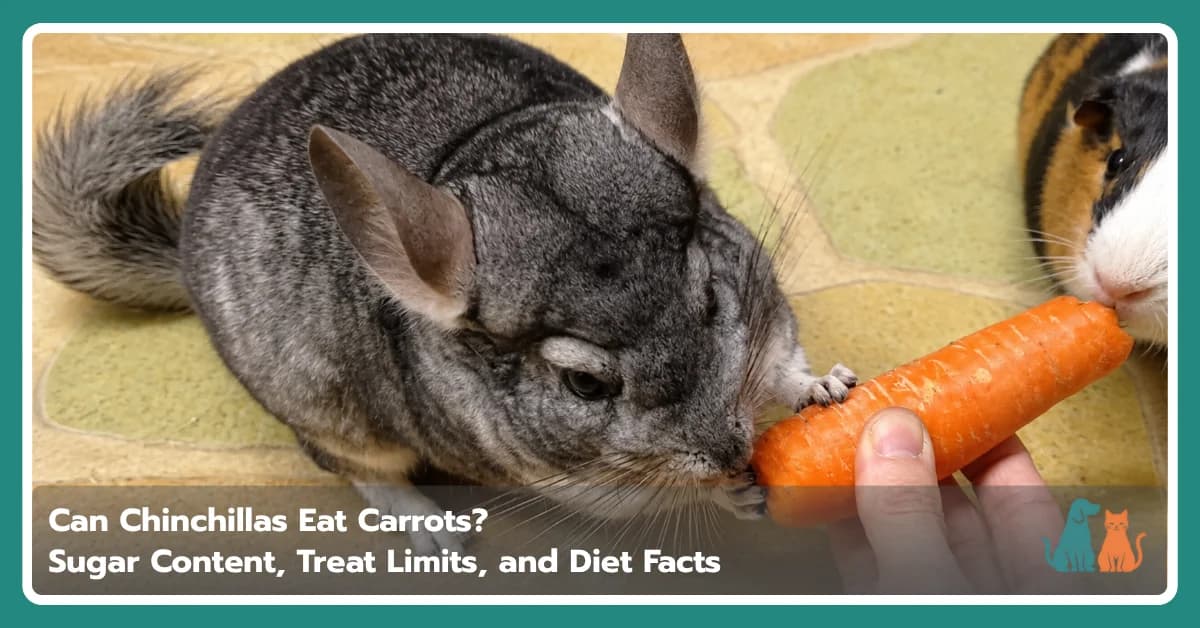
Carrots are often viewed as a healthy vegetable for pets, but chinchillas have very different dietary needs than rabbits, guinea pigs, and other small mammals. Their digestive systems are designed for high-fiber, low-sugar foods, which means even nutritious vegetables must be offered carefully. Before sharing a carrot with your chinchilla, it's important to understand both the benefits and potential risks.
Can Chinchillas Eat Carrots?
Yes, chinchillas can eat carrots, but only in very small amounts and as an occasional treat. Fresh carrots are not toxic to chinchillas, but they contain more natural sugar than many owners realize. Because chinchillas are sensitive to sugary foods, carrots should never become a regular part of the diet.
A chinchilla's nutrition should always be centered around high-quality hay, fresh water, and species-appropriate pellets.
Nutritional Content of Carrots for Chinchillas (per 100g)
| Nutrient | Amount (per 100g) | Notes for Chinchillas |
|---|---|---|
| Vitamin A | ~835 mcg | Supports vision and overall health |
| Fiber | ~2.8 g | Supports digestion in moderation |
| Potassium | ~320 mg | Supports normal body functions |
| Water | ~88% | High moisture content |
| Natural Sugars | ~4.7 g | Should be limited for chinchillas |
| Calories | ~41 kcal | Higher than hay-based foods |
While carrots contain beneficial nutrients, their sugar content makes portion control essential.
Health Effects of Feeding Carrots to Chinchillas
When offered rarely and in tiny portions, carrots may provide a few benefits.
- Dietary enrichment
New textures and flavors can provide mental stimulation.
- Source of vitamins
Carrots contain vitamin A and other micronutrients.
- Natural chewing opportunity
Small carrot pieces may encourage natural food exploration.
- Digestive upset risk
Excess carrot consumption may disrupt the delicate balance of the digestive tract.
The benefits are only realized when carrots remain an occasional treat.
How to Feed Your Chinchilla Carrots Safely
Preparation and portion size are the most important factors.
Preparing Carrots Safely for Chinchillas
- Wash thoroughly to remove dirt and pesticide residue
- Peel if desired
- Cut into very small pieces
- Serve fresh and plain
- Avoid cooked, seasoned, or processed carrots
Only fresh carrots should be offered.
Serving Ideas for Carrots to Chinchillas
- Tiny fresh carrot cubes
- Small pieces offered by hand during bonding time
- Occasional enrichment treat
Any uneaten fresh food should be removed promptly.
How Much Carrot Can Chinchillas Eat?
Even healthy treats should be fed sparingly.
Recommended Portion Sizes for Chinchillas
- Adult chinchillas: One small carrot piece approximately the size of a raisin
A Chinchilla Calorie Calculator can help owners understand how treats contribute to overall daily energy intake.
How Often Can Chinchillas Eat Carrots?
- Once every one to two weeks
- Not suitable as a daily or frequent treat
Regular feeding of sugary vegetables can increase the risk of digestive issues and unwanted weight gain.
Do Chinchillas Like Carrots?
Many chinchillas enjoy carrots because of their sweetness and crunchy texture. However, a chinchilla's interest in a food does not necessarily mean it should be offered often.
Healthy Alternatives and Expert Recommendations
Most treats should be chosen carefully to match a chinchilla's unique digestive needs. Following guidance from our Best Chinchilla Food Guide can help owners build a safer and more balanced feeding plan.
Safer Treat Alternatives for Chinchillas
- Timothy hay-based treats
- Rose hips in moderation
- Dried herbs approved for chinchillas
- Small amounts of safe leafy greens when appropriate
High-fiber options are generally preferred over sugary fruits and vegetables.
Vet-Recommended Commercial Foods for Chinchillas
- High-quality chinchilla pellets
- Timothy hay-based diets
- Species-specific small mammal foods
Hay should always remain the foundation of the diet.
Expert Tips for Feeding Chinchilla Treats Responsibly
From a veterinary nutrition perspective, chinchillas are highly sensitive to dietary changes. Their digestive systems rely on a consistent supply of fiber, and excessive sugar can interfere with normal gut function.
Treats should make up only a very small portion of the overall diet. Introducing new foods gradually and monitoring stool quality, appetite, and activity level can help identify problems early.
For most chinchillas, unlimited grass hay and measured pellets provide everything needed for long-term health.
Key Takeaways
- Chinchillas can eat carrots, but only in very small, raisin-sized amounts as an occasional treat.
- Carrots contain natural sugars and high moisture, which should be strictly limited to prevent digestive upset.
- Fresh hay and species-specific pellets must remain the foundation of their primary daily diet.
- For safe feeding tips and a full dietary structure, read our comprehensive Best Chinchilla Food Guide.
Frequently Asked Questions
Can chinchillas eat carrots every day?
Can chinchillas eat baby carrots?
Are carrots healthy for chinchillas?
Can chinchillas eat carrot tops?
What vegetables are safer than carrots for chinchillas?

Dr. Emily Navarro, DVM
Small Mammal Nutrition Specialist
Dr. Emily Navarro is a veterinarian with advanced experience in rabbit and small mammal care, with a strong focus on digestive health and nutrition.