
Can Chickens Eat Grapes? Flock Treat Ideas, Portions, and Nutrition


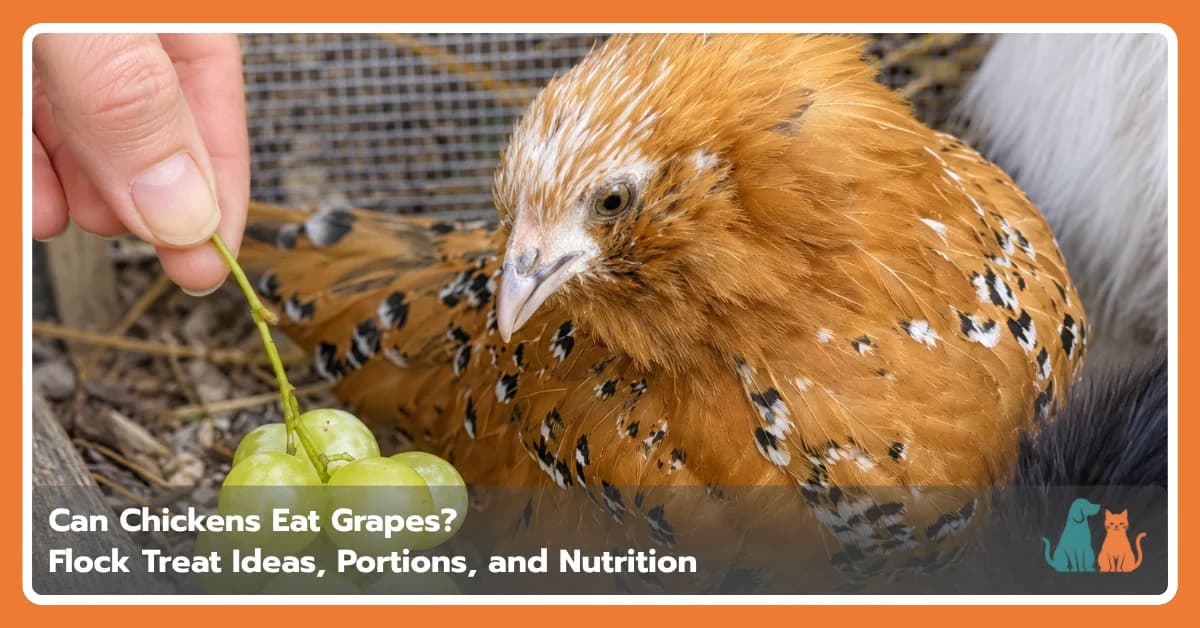
Grapes are a popular fruit in many households, and chicken owners often wonder whether they can share them with their flock. The good news is that grapes are generally safe for chickens and are often enjoyed as a special treat. However, like all treats, they should be fed in moderation to avoid upsetting the nutritional balance of the diet.
Can Chickens Eat Grapes?
Yes, chickens can eat grapes. Fresh grapes are non-toxic to chickens and can be offered as an occasional treat. Both red and green grapes are generally safe when properly prepared and served in appropriate portions.
While grapes contain beneficial vitamins and antioxidants, they also contain natural sugars that should not make up a significant portion of a chicken's diet.
Nutritional Content of Grapes for Chickens (per 100g)
| Nutrient | Amount (per 100g) | Notes for Chickens |
|---|---|---|
| Water | ~81% | Supports hydration |
| Vitamin C | ~10 mg | Supports overall health |
| Vitamin K | ~15 mcg | Supports normal body functions |
| Potassium | ~191 mg | Supports muscle function |
| Fiber | ~0.9 g | Provides small digestive benefits |
| Natural Sugars | ~16 g | Should be fed in moderation |
Although grapes contain beneficial nutrients, they are best viewed as a treat rather than a staple food.
Health Effects of Feeding Grapes to Chickens
When offered occasionally, grapes may provide a few benefits.
- Hydration support
The high water content can help chickens stay hydrated, especially during warm weather.
- Dietary enrichment
Chickens enjoy pecking at grapes, which encourages natural foraging behavior.
- Antioxidant support
Grapes contain plant compounds that contribute to overall health.
- Natural energy source
The carbohydrates in grapes provide quick energy.
Too many grapes may contribute to excess calorie intake and reduce consumption of nutritionally balanced feed.
How to Feed Your Chickens Grapes Safely
Preparation is simple but important.
Preparing Grapes Safely for Chickens
- Wash thoroughly to remove pesticide residue
- Remove spoiled or moldy grapes
- Cut large grapes in half, especially for smaller chickens
- Serve fresh and plain
- Avoid grape products with added sugar
Fresh grapes are always the safest choice.
Serving Ideas for Grapes to Chickens
- Scatter halved grapes around the run for enrichment
- Mix small amounts with other fruits and vegetables
- Freeze grapes during hot weather for a refreshing treat
- Offer by hand for bonding and interaction
Treats should complement, not replace, a balanced poultry diet.
How Much Grape Can Chickens Eat?
Moderation is key when feeding sweet fruits.
Recommended Portion Sizes for Chickens
- A small handful of grapes for several chickens
- Treats should remain less than 10% of the overall diet
A Avian Calorie Calculator can help estimate daily nutritional needs and maintain proper feeding balance.
How Often Can Chickens Eat Grapes?
- One to three times per week
- Occasional treat rather than daily food
- Part of a varied treat rotation
Commercial poultry feed should always remain the primary source of nutrition.
Do Chickens Like Grapes?
Yes, many chickens love grapes. Their sweetness and juicy texture make them highly appealing, and some chickens will eagerly chase grapes around the run when offered.
Healthy Alternatives and Expert Recommendations
Providing a variety of safe treats can help keep chickens engaged while supporting balanced nutrition. Following a Best Bird Food Guide can help ensure treats remain a small part of a healthy feeding program.
Safer Fruit and Vegetable Alternatives for Chickens
- Fruits: Strawberries, blueberries, watermelon, apples (without seeds)
- Vegetables: Cucumbers, lettuce, zucchini, bell peppers
Offering a variety of foods provides enrichment and nutritional diversity.
Vet-Recommended Commercial Foods for Chickens
- Complete layer feed
- Grower feed for younger birds
- Species-appropriate poultry diets
Commercial feed should provide the majority of daily nutrients.
Expert Tips for Feeding Chicken Treats Responsibly
From a poultry nutrition perspective, treats should supplement rather than replace a balanced feed. Chickens require carefully balanced levels of protein, energy, vitamins, and minerals to support egg production, growth, and overall health.
Excessive fruit feeding can dilute important nutrients and may contribute to obesity in less active birds. Offering a variety of healthy treats while prioritizing complete feed helps maintain long-term health.
Always remove uneaten fruit to prevent attracting pests and reduce spoilage risks.
Key Takeaways
- Chickens can safely eat red and green grapes in moderation as an occasional hydration treat.
- Grapes must be washed thoroughly and sliced in half to prevent choking, especially in smaller birds.
- Complete formulated commercial layer or grower feed should provide the vast majority of their daily intake.
- For expert tips on balanced avian diets and safe feeding guidelines, check out our Best Bird Food Guide.
Frequently Asked Questions
Can chickens eat grapes every day?
Can chickens eat grape skins?
Can chickens eat green and red grapes?
Can baby chicks eat grapes?
Are grapes good for chickens?

Dr. Richie Carter, DVM
Avian Nutrition Specialist
Dr. Richie Carter is a veterinarian with specialized experience in bird care, nutrition, and preventative health.