
Can Cats Eat Cheese? Lactose Concerns, Treat Limits, and Diet Facts


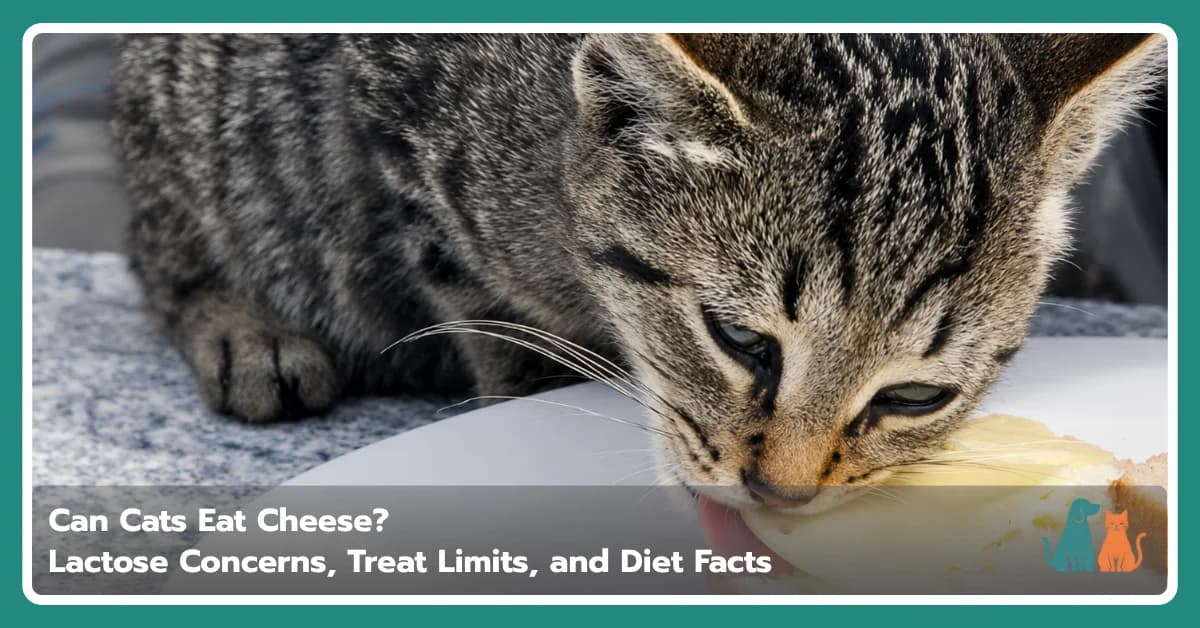
Many cats seem fascinated by cheese. Whether it's a slice of cheddar, a piece of mozzarella, or a small bite dropped from the kitchen counter, cats often show interest in dairy products. While cheese is not toxic to cats, that does not automatically make it an ideal treat. Understanding how cats digest dairy is important before adding cheese to their diet.
Can Cats Eat Cheese?
Yes, cats can eat cheese in small amounts, but it should only be an occasional treat. Most cheeses are not toxic to cats, and many cats enjoy the taste because they are naturally attracted to protein-rich foods.
However, many adult cats have some degree of lactose intolerance. As cats mature, they often produce less lactase, the enzyme needed to digest milk sugars. As a result, cheese may cause digestive upset in some cats.
Nutritional Content of Cheese for Cats (per 100g, Cheddar Cheese)
| Nutrient | Amount (per 100g) | Notes for Cats |
|---|---|---|
| Protein | ~25 g | Supports muscle maintenance |
| Fat | ~33 g | High calorie content |
| Calcium | ~721 mg | Supports bone health |
| Phosphorus | ~512 mg | Important mineral source |
| Sodium | ~621 mg | Excessive intake is undesirable |
| Calories | ~403 kcal | Very calorie-dense |
While cheese contains protein and calcium, it is also high in fat, sodium, and calories.
Health Effects of Feeding Cheese to Cats
When offered occasionally and in tiny amounts, cheese may provide a few benefits.
- Protein source
Cheese contains animal-derived protein that cats can utilize.
- Training or medication aid
Small pieces are sometimes used to hide medications.
- Highly palatable treat
Many cats enjoy the smell and flavor.
- Digestive upset risk
Lactose intolerance may lead to diarrhea, gas, or stomach discomfort.
The risks generally increase as portion sizes increase.
How to Feed Your Cat Cheese Safely
Proper preparation and moderation are important.
Preparing Cheese Safely for Cats
- Offer plain cheese only
- Cut into very small pieces
- Avoid flavored or seasoned cheeses
- Avoid cheeses containing garlic, onion, or herbs
- Do not offer mold-ripened cheeses
Simple, plain cheese is always the safest option.
Serving Ideas for Cheese to Cats
- Tiny cubes as an occasional treat
- Small pieces used for medication administration
- Rare reward during training sessions
Cheese should never become a routine part of the diet.
How Much Cheese Can Cats Eat?
Because cheese is calorie-dense, even small portions can add up quickly.
Recommended Portion Sizes for Cats
- Adult cats: A piece approximately the size of a small dice or smaller
A Cat Calorie Calculator can help determine how treats fit into your cat's daily calorie needs.
How Often Can Cats Eat Cheese?
- Occasional treat only
- Once or twice per week is generally sufficient
- Not recommended as a daily snack
Treats should remain a small percentage of total daily calories.
Do Cats Like Cheese?
Many cats enjoy cheese because of its rich smell, protein content, and fat. However, not every cat likes dairy products, and some may avoid them entirely.
Healthy Alternatives and Expert Recommendations
Cats are obligate carnivores, meaning their nutritional needs are best met through animal-based foods. Following guidance from our Best Cat Food Guide can help owners choose nutritionally appropriate treats and diets.
Safer Treat Alternatives for Cats
- Cooked plain chicken
- Cooked turkey
- Freeze-dried meat treats
- Commercial cat treats formulated for feline nutrition
These options typically provide more species-appropriate nutrition than cheese.
Vet-Recommended Commercial Treats for Cats
- Single-ingredient meat treats
- Freeze-dried protein treats
- Veterinary-approved feline treats
Choose treats designed specifically for cats whenever possible.
Expert Tips for Feeding Cat Treats Responsibly
From a veterinary nutrition perspective, treats should make up less than ten percent of a cat's daily calorie intake. The majority of calories should come from a complete and balanced diet formulated for feline nutritional needs.
If your cat has a sensitive stomach, obesity, pancreatitis, kidney disease, or food allergies, cheese may not be an appropriate treat. Always introduce new foods gradually and monitor for vomiting, diarrhea, or appetite changes.
Because cheese is high in calories and fat, moderation is especially important for indoor and less active cats.
Key Takeaways
- Cats can eat cheese in tiny amounts as a rare, highly appealing treat.
- Many adult cats are lactose intolerant, making digestive upset a potential risk with dairy consumption.
- Cheese is very high in fat, sodium, and calories, which can quickly lead to weight gain.
- For expert clinical guidelines and standard feline dietary advice, view our Best Cat Food Guide.
Frequently Asked Questions
Can cats eat cheese every day?
What happens if a cat is lactose intolerant?
Can kittens eat cheese?
Is cheddar cheese safe for cats?
What cheese should cats avoid?

Dr. Martha G. Reynolds, DVM
Feline Nutrition Specialist
Dr. Martha G.