
Best Parakeets Food Guide February 2026

Feeding a parakeet well goes far beyond filling a seed cup. Proper nutrition supports feather quality, digestion, immune health, and long-term vitality. This guide was created for parakeet owners who want clear, science-backed advice without confusion or marketing noise. Every recommendation here reflects species-specific needs, real feeding behaviour, and veterinary nutrition standards.

This guide was built to make food choices easier and more trustworthy for parakeet owners everywhere.

  • Independent, expert-reviewed recommendations

  • Clear guidance for pellets, seed mixes, and fresh foods

  • Safe transition tips tailored to parakeets

  • Real feedback from parakeet owners like you

  • Includes trusted brands such as Harrison’s Bird Foods and ZuPreem

  • Updated for 2026 with species-appropriate, vet-reviewed picks

Quick Comparison of the Best Parakeet Foods

Choosing the right parakeet food should feel informed, not overwhelming. This quick comparison highlights reliable options that meet nutritional balance, ingredient quality, and safety expectations for pet parakeets.

BrandBest ForKey FeaturesPrice RangeVet Approved?
Harrison’s Adult LifetimeEveryday feedingOrganic pellets, complete & balanced$$$
ZuPreem NaturalPicky eatersPellet-based, no artificial colors$$
Roudybush Daily MaintenanceAdult parakeetsResearch-backed pellet formula$$
Higgins SunburstVariety seekersSeed mix with added vitamins$$
Kaytee Forti-Diet Pro HealthBudget-friendlyFortified seeds and grains$
Lafeber Nutri-BerriesEnrichment feedingPellet + seed clusters$$

Top 8 Best Parakeet Food Brands for 2026

We reviewed parakeet foods using criteria that matter in real homes and veterinary practice, including nutritional balance, ingredient transparency, long-term safety history, and acceptance by companion parakeets. Special attention was given to calcium levels, vitamin A sources, protein quality, and seed-to-pellet ratios, as these directly influence feather condition, weight stability, and digestive health. Feeding amounts were also considered using our Parakeet Calorie Calculator to help ensure each diet supports appropriate portion sizes for activity level and life stage. The brands below consistently support healthy body condition, strong feathers, and reliable digestion when fed as part of a balanced routine.

Nothing Found! Ready to publish your first post? Get started here.

Our Top Picks by Parakeet Breed and Life Stage

Not all parakeets eat the same way. Age, activity level, prior diet, and household feeding habits all influence what works best. These recommendations reflect common needs observed in companion parakeets, particularly budgies transitioning from seed-based diets.

Parakeet TypeRecommended FoodWhy It’s a Good Fit
Adult ParakeetHarrison’s Adult LifetimeFormulated with organic ingredients and balanced protein to support feather quality and steady energy without excess fat
Seed-Addicted ParakeetZuPreem NaturalHelps ease the transition away from seeds while still being palatable to picky eaters
Senior ParakeetRoudybush Daily MaintenanceGentle formulation that supports digestion and maintains weight in less active birds
Enrichment-Focused FeedingLafeber Nutri-BerriesEncourages foraging behavior while delivering complete nutrition in controlled portions
Mixed Diet HouseholdsHiggins Sunburst with pelletsWorks well for homes combining pellets, fresh foods, and limited seeds safely

Can Parakeets Eat These Foods?

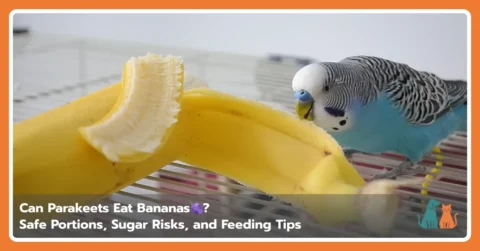
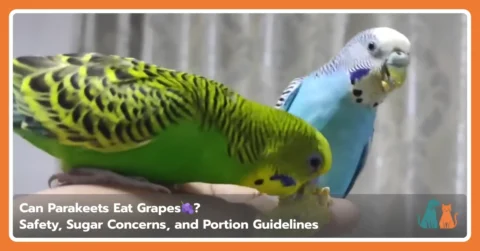
Parakeets can enjoy fresh foods, but safety, preparation, and portion size matter. Some fruits and vegetables are healthy additions, while others can cause digestive upset or toxicity. This quick-reference guide helps you choose safe options and avoid common feeding mistakes. Always keep a balanced pellet as the foundation of the diet.

How We Choose the Best Parakeet Foods

Our recommendations are based on practical nutrition science, not marketing claims or trends. We evaluate ingredient quality, nutritional balance, feeding safety, and long-term health impact. Input from avian veterinarians and real-world feeding outcomes helps ensure each recommendation supports healthy feathers, digestion, and body condition.

Species-appropriate nutrient balance
Read More
Formulated diets meeting complete & balanced standards
Read More
Ingredient sourcing and freshness
Read More
Veterinary and clinical review
Read More
Owner feedback, droppings consistency, feather quality
Read More
Brand transparency and recall history
Read More

How to Choose the Right Food for Your Parakeet

Parakeets thrive on routine, balance, and variety done safely. The goal is a diet that supports long-term health, not just short-term preference.

Species Needs
Read More
Most companion parakeets do best with pellets forming the nutritional base.
Age & Activity
Read More
Young and active birds may need slightly higher energy intake, while seniors benefit from stable, digestible formulas.
Pellets vs Seed Mixes
Read More
Pellets should make up most of the diet. Seeds work best as supplements or enrichment.
Label Reading Tips
Read More
Look for “complete & balanced” and avoid foods heavy in sugar, dyes, or unidentified fillers.
Safe Transitions
Read More
Change foods slowly over 10–14 days to avoid refusal or digestive upset.
Seed Mixes vs Pellets
Read More
Seed mixes can encourage picky eating. Pellets offer uniform nutrition but should be high-quality.

Expert Veterinary Advice on Parakeet Nutrition

Parakeets are small, but their nutritional needs are precise. Diets built mostly on seeds often lead to vitamin deficiencies and obesity. A pellet-based foundation, paired with fresh vegetables and controlled treats, supports healthy feathers, digestion, and lifespan. Monitor droppings, body condition, and appetite as daily health indicators. When in doubt, work with an avian veterinarian to personalise feeding.

Reviews You Can Trust

⭐️⭐️⭐️⭐️⭐️
Finally, feeding advice that explains pellets and seeds clearly instead of pushing extremes. This guide helped me understand why my parakeet was gaining weight on seeds alone.

emily thompson
Emily Thompson
Dog mom & nutrition-conscious pet parent
⭐️⭐️⭐️⭐️⭐️
I stopped guessing and started following structured guidance from this page. The transition tips were realistic, not idealized, which mattered for my stubborn eater.
michael jensen
Michael Jensen
First-time puppy dad & active pet forum member
⭐️⭐️⭐️⭐️⭐️
This guide helped me transition my rescue parakeet off an all-seed diet without stress. The explanations were calm, practical, and reassuring.
sophia williams
Sophia Williams
First-time pet parent & rescue supporter
⭐️⭐️⭐️⭐️⭐️
As someone who has worked in a vet clinic, I appreciate nutrition advice that avoids fear-based messaging. This guide focuses on balance and safety.

rachel greene
Rachel Greene
Multi-pet household owner & former vet clinic assistant

Stay Informed About Parakeet Food Recalls

We actively monitor pet food recalls so parakeet owners can act quickly and confidently.

Seed Blend ContaminationMarch 2025
Read More
Certain batches recalled due to mold risk. Discontinue use and contact the manufacturer.
Pellet Storage AdvisoryJanuary 2025
Read More
Moisture exposure warning issued. Store pellets in airtight containers.
Vitamin Imbalance RecallOctober 2024
Read More
Select fortified seed lots removed after nutrient testing concerns.
What To Do
Read More
Stop feeding affected products, retain packaging, and consult your avian vet if symptoms appear.

FAQs: Parakeet Food Advice You Can Trust

Parakeet feeding questions are common, especially for new bird owners. These answers are based on veterinary nutrition principles and real-world feeding experience. Use them to build a balanced routine, avoid common mistakes, and support long-term health.

pet owner with dog
A high-quality pellet should form the base of a parakeet’s daily diet, supplemented with small amounts of fresh vegetables and limited seeds.
Seeds are not toxic, but they are calorie-dense and nutritionally incomplete. They should be treats, not staples.
Gradual transitions work best. Mix pellets with seeds at first and slowly reduce seed portions over several weeks.
Yes, many can. Offer small portions of safe options like leafy greens, carrots, and occasional fruit as treats.
Most parakeets eat small amounts throughout the day. Portion control matters more than volume, especially with seeds.
If fed a complete, balanced pellet-based diet, most parakeets do not need additional supplements unless advised by a veterinarian.
Absolutely. Adequate protein, vitamins, and fatty acid balance play a major role in feather strength and appearance.

Search About Your Pet